| What is Sustainable Food?
Sustainable food is healthier for people and the planet. Definition of Sustainable Food.
Environment
Food is increasingly becoming a major environmental concern. First "Food Miles" made us aware of the distances our food travels - not only from overseas, but also within the country. Stand on any motorway and watch biscuit, bread and "logistics" lorries going in both directions all the time.
More importantly, it is now realised that the amount of energy going into food production amounts to much more than those miles. It now takes about 10 calories of energy - usually in the form of oil, to produce each calorie of food.
Food & Farming Impacts on Land, Air, Water & Biodiversity,
|
Social
Food is a matter of life and death for everybody in the world. In the developed world we tend to take it for granted, yet with recent price rises, people are realsing that our "food security".is not what it should be. We have ony a few days supply of food, relying on long supply chains that could easily be cut.
Economic
Many people in these supply chains are poorly paid - either as small producers or wage labourers. Their conditions are often not well policed or protected. In the UK, farming is the most dangerous workplace in terms of being killed while at work.
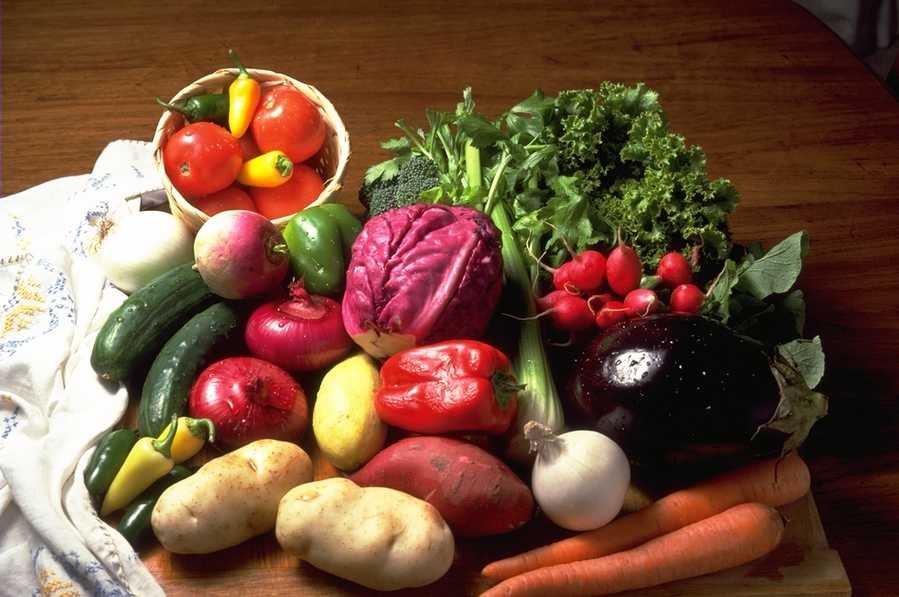
There is a growing concessus that we in UK should be producing more food - particularly fruit and vegtables, locally. This would not only reduce dependence on imported food, it would provide for a healthier diet and encourage investment in local industry. The World Health Organisation (pdf p205-208) says: "Fortunately, the strategies needed to create desired changes in nutritional and environmental patterns are often complementary and, as a whole, provide cost-effective, sustainable development for agricultural land"
|
 DEVELOPING ENVIRONMENTAL AWARENESS